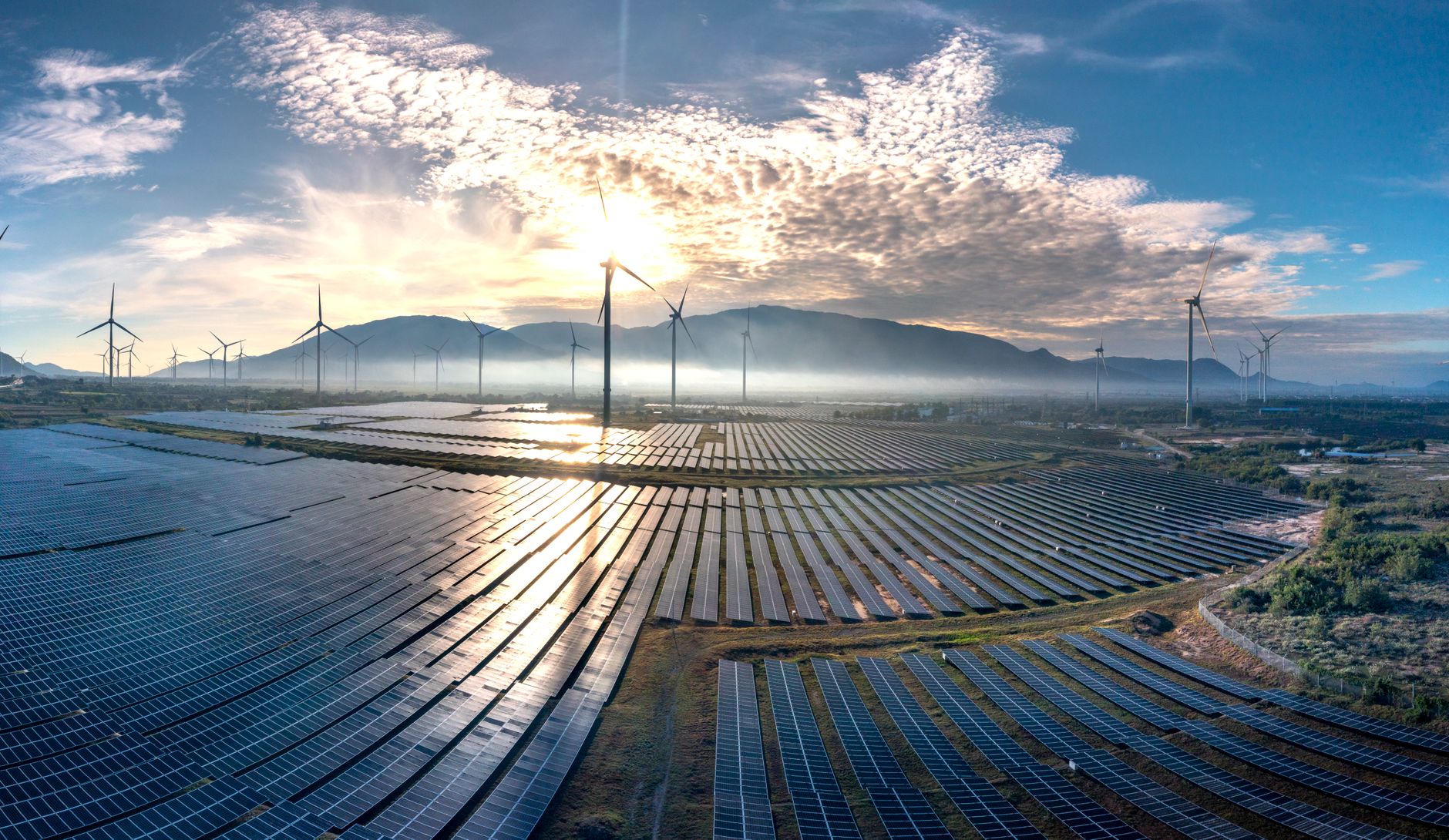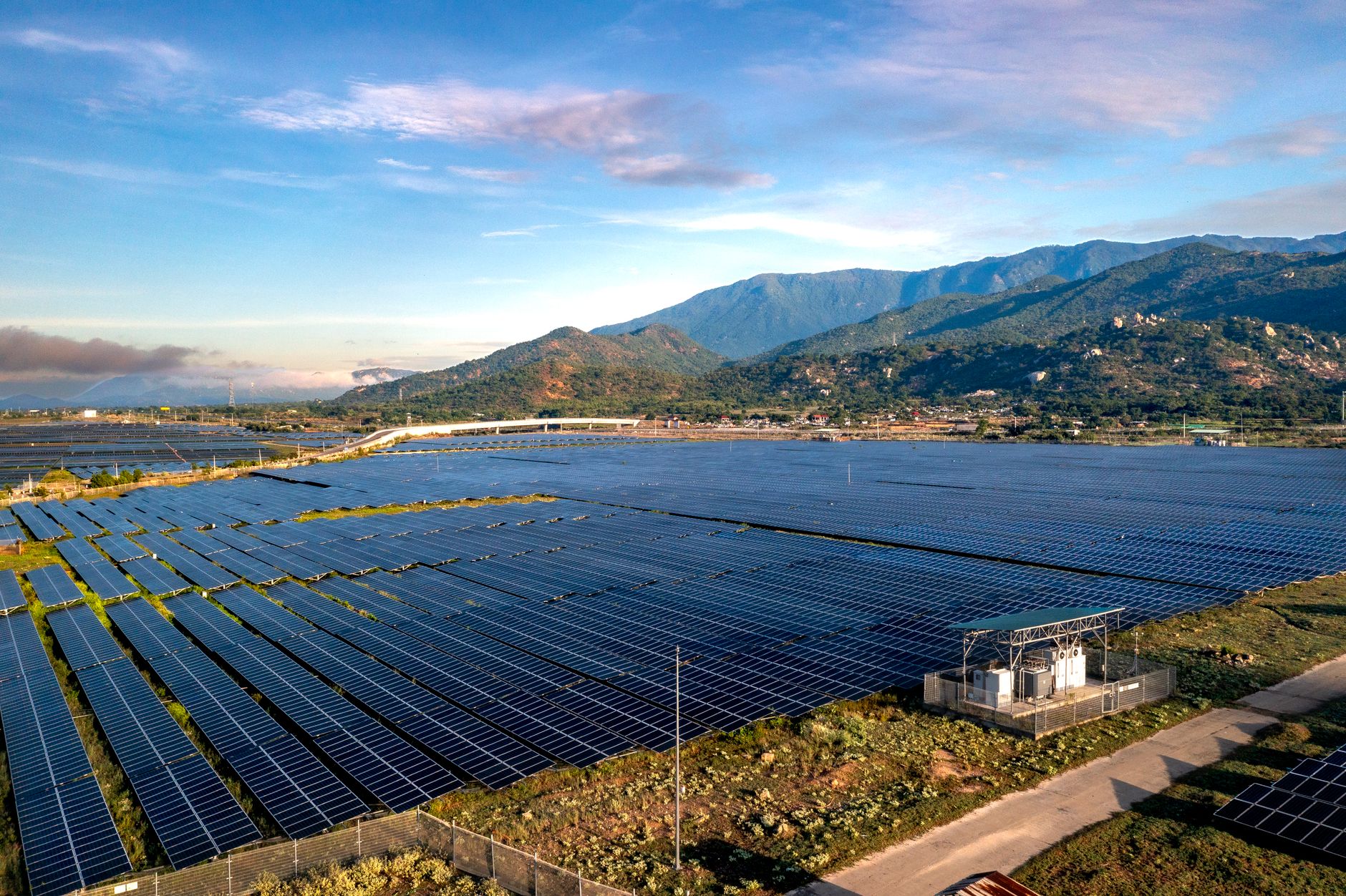
A city, a water district, or a school district evaluating solar is solving a different problem than a private building owner. The engineering is similar. Almost everything around it is not.
If you sit on the staff or board side of a public agency in California, here is what actually shapes these projects.

The tax credit problem, and how it got solved
For a long time the central obstacle was straightforward: federal tax credits are worth nothing to an entity that does not pay federal tax. Public agencies had to reach the same economics through third-party ownership structures — a private partner owned the system, captured the credits, and sold the agency the power.
That is still a legitimate route, and for some agencies it remains the right one. But direct pay provisions have opened a path where a tax-exempt entity can receive the value of the credit directly rather than routing it through a partner.
Which structure is better is genuinely agency-specific — it depends on your capital position, your appetite for owning and maintaining an asset, and how your finance team wants the obligation to appear. What has changed is that it is now a real choice rather than a foregone conclusion. It is worth having your finance director and your counsel look at both before anyone puts a system on paper.
Procurement shapes the timeline more than construction does
On a commercial project, a decision-maker can sign and work starts. Public agencies cannot. Depending on the agency and the delivery method, you may be looking at a competitive solicitation, board approval at a noticed public meeting, and a protest window before anything happens.
None of that is an obstacle so much as a schedule reality. The mistake agencies make is treating the construction timeline as the project timeline. Build the procurement calendar first and work backward, particularly if you are trying to land within a fiscal year or hold a funding source that has an expiration on it.
It also means the contractor you want is one who has been through public procurement before. Prevailing wage compliance, certified payroll, bonding, and the documentation that goes with them are not things to learn on your project.
Water and wastewater is where the load is
For most municipalities and special districts, pumping is the largest electrical expense the agency has, and it is not close.
Water treatment, distribution pumping, lift stations, and wastewater aeration run continuously or on heavy duty cycles, and they run all year. That is an unusually good match for solar — a steady, predictable, largely daytime-inclusive load on a site the agency already owns, frequently with land around it that has no competing use.
Treatment plants in particular tend to have space that is already fenced, already secured, and already zoned for utility purposes. That combination removes several of the hardest constraints a commercial site faces.
The other sites worth looking at
- Corp yards and maintenance facilities. Large flat roofs, big paved areas, and a fleet that may be electrifying — which turns the same project into charging infrastructure.
- Parking lots at civic buildings. Carport structures do double duty as shade for the public and for agency vehicles.
- Closed or capped landfill parcels, where the land has few other permitted uses. These carry engineering constraints but the site is often available.
- Reservoirs and retention basins, where floating arrays are being evaluated in some districts.
Resilience is frequently the actual driver
For a private business, backup power is a business-continuity calculation. For a public agency it can be a public-safety obligation.
If a lift station goes down during a multi-day outage, the consequence is not lost revenue. Agencies in areas subject to public safety power shutoffs are increasingly sizing storage around keeping critical facilities running through an outage rather than around demand charges alone.
That changes the design. A system optimized purely for bill savings and a system optimized to carry critical loads through an extended outage are not the same system. Decide which one you are buying before you evaluate proposals, because the two will not compare cleanly on price.
Where to start
Two documents get an agency most of the way to a real conversation: twelve months of interval data for your largest accounts, and a list of the sites you control with usable roof, land, or parking.
From there it is a matter of establishing which sites carry enough load to justify the project and which delivery structure fits your finances and your procurement rules.
If you are evaluating solar for a public agency in California and want an assessment grounded in your actual load and your actual sites, call us at (951) 228-2710 or email info@omenergy.us.